What To Expect At A Wound Care Clinic: A Comprehensive Guide
Are you preparing for your first visit to a wound care clinic? Do you want to know what to expect and how to make the most of your appointment? If so, you’re in the right place. This comprehensive guide will provide insight into what happens at a wound care clinic, the role of a wound care doctor, and why it is essential to make informed decisions about your wound care.
Wound care is a critical aspect of healthcare that focuses on the treatment and management of both acute injuries such as cuts, burns, and surgical wounds, and chronic wounds like pressure sores, diabetic foot ulcers, and venous leg ulcers. Improper or inadequate wound care can lead to complications such as infection, prolonged healing times, and even amputation in severe cases. Therefore, understanding what to expect at a wound care clinic can be an essential step in ensuring you receive the best possible care.
Wound care clinics are specialized healthcare facilities designed to provide comprehensive treatment for various types of wounds. They utilize advanced technologies and techniques tailored for each patient’s unique needs, aiming at promoting faster healing, preventing complications, and improving the patient’s quality of life. However, stepping into a wound care clinic for the first time can be daunting. You might be unsure about the process, anxious about the treatments, or confused about the terminologies used.
To help you navigate this journey with ease and confidence, this blog post will walk you through what happens from the moment you enter a wound care clinic to when you leave after your appointment. We will discuss everything from the initial assessment and diagnostic tests to treatment plans, follow-up appointments, and home care instructions. Moreover, we will explain the role of a wound care doctor in managing your wound healing process and how they collaborate with other healthcare professionals to provide holistic care.
Understanding these aspects is crucial because it helps you participate actively in your care, making informed decisions and working alongside your healthcare team to achieve optimal healing outcomes. It also relieves anxiety and uncertainty, allowing you to focus on what truly matters: your recovery.
This comprehensive guide is especially beneficial for individuals who are newly diagnosed with a wound, caregivers who want to provide the best support to their loved ones, and anyone interested in learning more about wound care. So, whether you’re seeking information to prepare for an upcoming appointment, or simply want to understand more about the wound healing process, this guide is here to provide the clarity you need.
By the end of this guide, you will be well-informed about what to expect at a wound care clinic. More importantly, you will feel more prepared and confident about your wound care journey. So, let’s begin this journey together, illuminating the path to optimal wound healing and recovery.
What to Expect at a Wound Care Clinic?
Background
In the realm of health care, wound care clinics have a vital role in promoting the recovery and well-being of patients with different types of wounds. Understanding the fundamentals of wound care clinics, the services they offer, and the framework within which they operate is crucial for patients and caregivers. This knowledge prepares them for the journey ahead, making the experience more comfortable and less daunting.
Wound care clinics are specialized healthcare facilities that manage wounds, especially those that are complex and hard-to-heal. These wounds may include surgical wounds, burns, ulcers, pressure sores, traumatic wounds, and others, which may be acute or chronic. The primary goal of wound care clinics is to maximize healing and minimize the risk of infection and other complications.
These clinics operate within a multidisciplinary approach, where a team of specialists collaborates to provide comprehensive care. The team usually includes wound care physicians, nurses, physical therapists, dietitians, and even social workers. This collaborative framework ensures that all aspects of wound healing—from medical treatment to nutritional support and emotional counseling—are addressed.
The first step at a wound care clinic is typically an in-depth assessment. Medical professionals examine the wound closely, take a complete medical history, and possibly order diagnostic tests to understand the wound’s underlying causes. The assessment not only focuses on the wound itself but also takes into account the patient’s overall health status, lifestyle, and other factors that might affect healing.
Based on this assessment, a personalized care plan is drawn up. This plan outlines the specific treatments and interventions needed to facilitate healing. The treatments might include wound cleaning, debridement (removal of dead tissue), dressing changes, application of topical medications, hyperbaric oxygen therapy, negative pressure wound therapy, and more. In addition to medical treatments, the care plan might include lifestyle changes and dietary adjustments to support healing.
One crucial aspect of wound care clinics is patient education. The healthcare team takes time to educate patients and their caregivers about proper wound care techniques, signs of infection to watch out for, and measures to prevent future wounds. This education empowers patients to participate actively in their healing process.
A vital part of the wound care clinic framework is follow-up care. Regular follow-ups are scheduled to monitor the wound’s progress and adjust the care plan as necessary. During these follow-ups, the healthcare team checks the wound, assesses the effectiveness of the current treatments, and makes changes if needed. Follow-ups also provide an opportunity for patients to raise any concerns or questions they might have.
In conclusion, wound care clinics provide a comprehensive, personalized approach to wound management. They operate within a multidisciplinary framework, ensuring that all aspects of healing are addressed. By understanding what to expect at a wound care clinic, patients and caregivers can prepare themselves better for the journey towards healing.
What to Expect at a Wound Care Clinic?
If you or a loved one has a non-healing or problematic wound, it is critical to seek specialized care at a wound care clinic. These are specialized healthcare facilities that focus on the treatment and management of chronic or acute wounds. But what should you expect when you visit a wound care clinic? Here’s a step-by-step guide on what typically happens, along with some specific scenarios and actionable advice.
Step 1: Initial Consultation
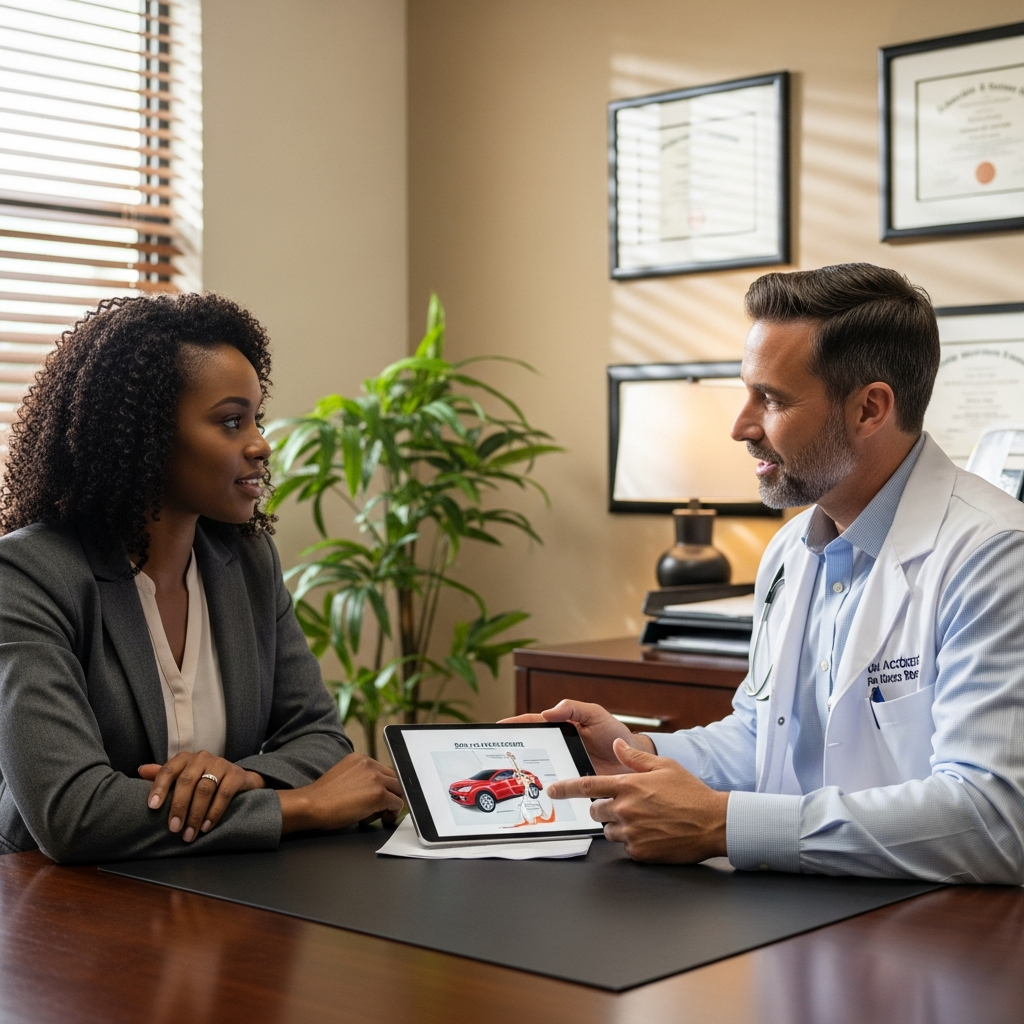
Your journey to wound healing begins with an initial consultation. During this visit, the wound care doctor will perform a comprehensive evaluation of your wound. This involves examining the wound’s size, depth, location, and any signs of infection. It’s crucial to give a detailed medical history at this point, including any underlying conditions like diabetes or vascular disease that might affect wound healing.
Scenario: For instance, if you have a diabetic foot ulcer, sharing your history of diabetes and any related complications can help the doctor create a more effective treatment plan.
Step 2: Diagnostic Tests
After the initial examination, the doctor may order diagnostic tests to evaluate your overall health and the severity of the wound. These tests might include blood work, imaging studies such as X-rays or MRIs, and in some cases, a biopsy of the wound.
Actionable Advice: Don’t be alarmed if numerous tests are ordered. They are essential in determining the best course of treatment for your wound.
Step 3: Wound Cleaning and Debridement
The next step usually involves cleaning the wound and removing dead tissue—a process known as debridement. This step is crucial as it promotes healing by reducing the risk of infection and creating a healthier environment for new tissue growth.
Scenario: If you have a pressure ulcer with necrotic tissue, debridement will be an essential part of your treatment plan.
Step 4: Treatment Plan Development
Once your wound has been thoroughly assessed and cleaned, the wound care doctor will develop a personalized treatment plan. This plan may include a combination of dressings, medications, therapies (like hyperbaric oxygen therapy), lifestyle changes, and in some cases, surgery. The goal is to promote healing, manage pain, and prevent complications such as infections or further tissue damage.
Actionable Advice: Make sure you understand your treatment plan completely—don’t hesitate to ask questions or voice any concerns you may have.
Step 5: Ongoing Wound Monitoring and Care
After your initial visits, you will need to return to the clinic regularly for wound monitoring and ongoing care. The frequency of these visits will depend on the severity of your wound and the progress of your healing. During these visits, the doctor will check the wound’s status, adjust your treatment plan as necessary, and address any issues or complications that have arisen.
Scenario: If you have a venous leg ulcer that’s responding well to compression therapy, the doctor might extend the time between appointments. On the other hand, if healing is slower than expected, more frequent visits might be required.
Final Step: Education and Prevention
A crucial aspect of wound care is educating patients on proper home care and prevention of future wounds. This might involve teaching you how to change dressings, identifying early signs of infection, or recommending lifestyle changes like improved nutrition or quitting smoking.
Actionable Advice: Be proactive in your wound care education. The more you understand about your wound and its care, the better equipped you are to aid in your recovery and prevent future wounds.
In conclusion, a visit to a wound care clinic involves a thorough assessment of your wound, an individualized treatment plan, regular monitoring of your wound’s progress, and education on proper wound care practices. Remember that each patient’s journey is unique, so your experience may vary slightly depending on your specific wound and overall health. The ultimate goal is always to promote healing, prevent complications, and improve your quality of life.
What to Expect at a Wound Care Clinic: Common Challenges, Solutions, and Expert Tips
Wound care, whether it is the result of surgery, accident, or a chronic condition like diabetes, requires specialized attention to promote optimal healing and prevent complications. A wound care clinic is a medical facility with a dedicated team of professionals who specialize in treating and managing all types of wounds. In this article, we aim to elucidate what to expect during your visit to a wound care clinic, common challenges faced, solutions to these issues, and some expert tips to ensure effective wound management.
1. What happens at a wound care clinic?
At a wound care clinic, the primary goal is to assess, treat, and monitor the progress of your wound. The process usually begins with a thorough evaluation of your overall health, the type of wound, its severity, and any underlying conditions that may affect healing. This is followed by a personalized treatment plan which could involve wound cleaning, debridement (removal of dead tissue), application of dressings, or advanced wound therapies like hyperbaric oxygen therapy.
2. Common Challenges in Wound Care
One of the main challenges in wound care is the management of chronic wounds, such as diabetic foot ulcers or pressure sores. These wounds are often complicated by underlying conditions that impede the healing process. Another challenge is infection control. If not properly managed, wounds can become infected, leading to serious complications.
Patient compliance is also a significant challenge. The success of wound management largely hinges on the patient’s adherence to the prescribed care regimen which could involve regular dressing changes, medication use, and lifestyle modifications.
3. Solutions to Wound Care Challenges
At a wound care clinic, specialized professionals employ advanced techniques and treatments to address these challenges. For chronic wounds, treatments may involve specialized dressings that promote healing and control infection, negative pressure wound therapy, or even skin grafts in severe cases.
Infections are managed through appropriate wound cleaning, use of antimicrobial dressings, and antibiotics when necessary. Patient education plays a crucial role in ensuring compliance, with clinicians providing clear instructions and demonstrations on wound care at home.
4. Expert Tips for Wound Care
i) Keep the wound clean: Cleaning the wound with mild soap and water during dressing changes can help prevent infection.
ii) Follow your care plan: Adhere to your prescribed wound care regimen, including dressing changes and medication schedules.
iii) Maintain a healthy lifestyle: Good nutrition, regular exercise, and adequate sleep can all aid in the wound healing process. If you’re a smoker, consider quitting as smoking can impede healing.
iv) Monitor your wound: Regularly check your wound for signs of infection, such as increased pain, redness, swelling, or pus. If you notice any of these signs, contact your wound care clinic immediately.
v) Ask questions: Don’t hesitate to ask your clinician if you have any doubts about your wound care process. They’re there to help you.
5. Misconceptions about Wound Care
A common misconception is that all wounds should be left open to air to heal. In reality, keeping a wound moist and covered can actually enhance healing and reduce scar formation. Another myth is that alcohol or hydrogen peroxide should be used to clean wounds. These substances can actually damage the tissue and delay healing.
Wound care clinics serve as an invaluable resource for those dealing with acute or chronic wounds. They provide expert care tailored to each individual’s needs, using advanced therapies and a multidisciplinary approach. Understanding what to expect during your visit to a wound care clinic can ease anxieties and promote a more successful healing journey.
What to Expect at a Wound Care Clinic
A wound care clinic, also known as a wound healing center, is a specialized healthcare facility dedicated to the treatment and management of non-healing and chronic wounds. If you’ve been referred to a wound care clinic, it’s essential to know what to expect, the timelines involved, and next steps to ensure optimal healing outcomes.
When you first arrive at the wound care clinic, you will typically undergo an initial evaluation. This comprehensive assessment allows the wound care team, which usually includes physicians, nurses, and other healthcare professionals specializing in wound care, to understand your specific situation better. They will review your medical history, assess the wound’s condition, and consider other factors like your overall health, lifestyle, and nutrition status that may affect wound healing.
The initial evaluation often involves documenting the wound’s size, depth, location, and appearance. The team may also assess for signs of infection or other complications. You might also be subjected to diagnostic tests such as blood tests or imaging studies to gain a more precise understanding of the wound’s underlying causes and conditions.
Once the evaluation is complete, your wound care doctor will develop a personalized treatment plan. This plan is typically multidimensional and may include various therapies like wound dressings, debridement (removal of dead tissue), hyperbaric oxygen therapy, negative pressure wound therapy, antibiotic therapy, and more. The plan will also incorporate pain management strategies and lifestyle modifications as necessary.
The timeline for wound healing varies significantly based on the wound type, severity, and the patient’s overall health. Simple wounds might heal within weeks under appropriate care, while complex wounds like ulcers or those associated with diabetes or vascular disease might take months or even longer. It’s crucial to adhere to your treatment plan and maintain regular follow-up appointments to monitor the wound’s progress.
Follow-up visits are an integral part of the healing process. During these appointments, the wound care team will assess the wound’s response to treatment, make necessary adjustments to the plan, and provide ongoing education about wound care at home. These visits are also an excellent opportunity for you to ask any questions or voice any concerns you have about your wound or treatment.
At home, you play a crucial role in your wound care. Your doctor will provide specific instructions about how to care for your wound between visits. This may include cleaning the wound, applying dressings, taking prescribed medications, and making lifestyle changes like improving nutrition or quitting smoking.
In terms of next steps, it’s vital to know what signs of complications to watch for. If you notice increasing pain, redness, swelling, or foul-smelling discharge from the wound, or if you develop a fever, it’s essential to contact your wound care clinic immediately. These could be signs of infection, which can seriously impede wound healing and potentially lead to more severe health complications.
In summary, a visit to a wound care clinic involves an initial comprehensive evaluation, the development of a personalized treatment plan, regular follow-up visits, and meticulous at-home care. The timeline can vary greatly, but with adherence to the treatment plan and vigilance for complications, most wounds can successfully heal. Remember that open communication with your wound care team is key to navigating this process successfully. Your active participation in your wound care will greatly contribute to a positive outcome.
In conclusion, wound care clinics are specialized healthcare facilities that focus on the treatment and management of complex wounds. They use advanced technologies and a team of skilled professionals to provide holistic care to patients, improving their quality of life, and reducing the risks associated with non-healing wounds.
The first thing to expect at a wound care clinic is a comprehensive evaluation. Your wound care team will conduct a thorough assessment, not only of your wound but also of your overall health. They will take into account factors such as your medical history, lifestyle, nutritional status, and the state of your immune system. This broad perspective allows them to tailor a treatment plan that addresses not just the symptoms but the underlying causes of your wound.
You can also expect to receive education about your wound and its care. Knowledge is power, and understanding your condition can make a significant difference in your recovery. Your wound care team will teach you about the type of wound you have, the healing process, how to care for your wound at home, and how to prevent complications. They will also keep you informed about your progress, adjusting the treatment plan as necessary to ensure the best possible outcome.
In terms of treatment, wound care clinics offer a wide range of advanced therapies. These may include debridement to remove dead tissue, negative pressure wound therapy to promote healing, hyperbaric oxygen therapy to increase oxygen supply to the wound, and bioengineered skin grafts or substitutes to facilitate tissue growth. These interventions are often combined with traditional methods such as dressings and compression therapy.
The multidisciplinary approach is another key feature of wound care clinics. Your wound care team may include physicians, surgeons, nurses, physical therapists, dietitians, and social workers. They work together, each bringing their expertise to bear on your condition. This collaborative model ensures that all aspects of your care are coordinated and integrated.
Finally, you can expect a focus on prevention at a wound care clinic. Once your wound is healed, the team will provide guidance on how to prevent future wounds. This may involve lifestyle modifications, ongoing monitoring, and prophylactic measures.
In summary, a visit to a wound care clinic can be a transformative experience. It offers not just cutting-edge treatment but a comprehensive, personalized approach that empowers you to take control of your health.
If you or a loved one are dealing with a chronic or complex wound, we encourage you not to face it alone. Our team of wound care specialists is ready to provide the care and support you need. Reach out to us today. We believe that every wound is unique, as is every patient, and our goal is to help you navigate your healing journey with compassion, expertise, and respect. It’s time to take the first step towards better health. Contact us for assistance, and let us help you get back to living your life on your terms.