The Vital Role of Wound Care Clinics in Our Healthcare System
Opening Hook:
Have you ever wondered how life-threatening wounds are handled in a healthcare setting? Or perhaps you’ve heard about wound care clinics but aren’t sure what they do? This piece is designed to shed light on the essential role these specialized clinics play in our healthcare system.
Context:
In the broad spectrum of healthcare services, wound care clinics are often overlooked. However, they play an indispensable role in patient recovery, particularly for individuals with chronic or complex wounds. These can stem from conditions such as diabetes, burns, pressure ulcers, surgical wounds, and venous leg ulcers. The expertise found in wound care clinics is crucial in managing these wounds effectively and promoting healing. This post aims to delve into the purpose of wound care clinics, the professionals who work there, and why their role is so vital in our healthcare system.
What Will Be Covered:
In this enlightening piece, we will look at the purpose of a wound care clinic from a comprehensive perspective. Understanding the role of these clinics is more than just knowing what happens within their walls. We will delve into the types of wounds they handle, the various treatments they offer, and the team of professionals that make them operate effectively.
We will explore in-depth the importance of wound care doctors, also known as wound care specialists. These specialists are the backbone of wound care clinics, utilizing their extensive training and expertise to treat various types of wounds. We will further discuss how they work together with a team of other healthcare professionals to provide comprehensive care to patients.
Why This Matters to Readers
Understanding the purpose and function of wound care clinics is essential not just for healthcare professionals, but also for patients and caregivers. For patients with chronic or complex wounds, knowing what to expect at a wound care clinic can alleviate anxiety and facilitate their healing journey. Caregivers can better support their loved ones by understanding the process and being involved in their care.
Moreover, for those considering a career in healthcare, this article provides insights into a highly specialized field which is often overlooked. Pursuing a career in wound care can be incredibly rewarding, offering the chance to make a significant impact on patients’ lives.
In a broader sense, this article is an eye-opener for anyone interested in healthcare systems. It underscores the importance of specialized clinics like wound care facilities in providing comprehensive, patient-centered care. It’s not just about treating a wound; it’s about promoting overall health and wellness for every patient.
In conclusion, whether you are a patient, a caregiver, a healthcare professional or simply someone interested in our healthcare system, this article is for you. Stay tuned as we unpack the world of wound care clinics and their vital role in our healthcare system.
In the world of healthcare, every cog in the wheel matters. And wound care clinics are no exception. Their role might be specific, but their impact is far-reaching. Let’s explore it together.
A wound care clinic is a specialized medical facility dedicated to the treatment and management of hard-to-heal wounds. These can include wounds of various types such as surgical wounds, traumatic wounds, burn wounds, diabetic ulcers, pressure ulcers, venous ulcers, and many more. The fundamental purpose of a wound care clinic is to provide a comprehensive approach to wound healing that can’t typically be achieved in a general healthcare setting.
Wound care clinics utilize the expertise of different healthcare professionals such as plastic surgeons, infectious disease specialists, vascular surgeons, podiatrists, nutritionists, and certified wound care nurses and therapists. This multidisciplinary team collaborates to evaluate the patient’s wound and overall health status, design a personalized treatment plan, monitor the healing progress, and provide education on wound prevention and maintenance.
One key element in wound care clinics is their focus on chronic and complex wounds. Chronic wounds are those that do not follow the normal healing process or time frame and remain unhealed after several weeks. They are often associated with underlying health conditions like diabetes, obesity, and vascular diseases. On the other hand, complex wounds may involve damage to multiple layers of skin and underlying tissues, often requiring advanced treatments and interventions.
Wound care clinics offer advanced diagnostic tools and therapeutic techniques that are often unavailable in other healthcare settings. For instance, they may use specialized imaging studies to assess the depth of the wound and blood flow in the surrounding tissue. Other cutting-edge treatments offered may include hyperbaric oxygen therapy, negative pressure wound therapy, bio-engineered skin grafts, and other regenerative medicine techniques.
The framework within which these clinics operate involves a holistic approach to wound care. This means that the care does not only focus on the physical wound itself but also addresses the underlying causes and comorbid conditions that may impair healing. The patient’s nutritional status, for instance, can significantly impact wound healing. Therefore, a dietitian might be involved in the patient’s care plan to ensure optimal nutritional support.
Importantly, wound care clinics also serve an educational purpose. The clinicians involved take the time to educate patients and their families about proper wound care at home, signs of complications to watch for, and strategies to prevent wound recurrence. They also provide training on lifestyle modifications that can support wound healing and overall health, such as smoking cessation, healthy eating, and regular exercise.
Moreover, research and development are integral parts of many wound care clinics. They contribute to the advancement of wound care science by conducting clinical trials and research studies. This involvement in research helps ensure that the clinics remain at the forefront of the latest advancements in wound care technology and therapies.
In summary, the purpose of a wound care clinic is manifold. It is an institution dedicated to managing problematic wounds with a comprehensive and interdisciplinary approach. These clinics are equipped with advanced diagnostic and therapeutic tools to provide specialized care. They aim to address not just the wound itself but also the underlying conditions that impact healing. Furthermore, they play an essential role in patient education and empowerment, research, and the ongoing development of wound care science.
The Purpose and Practicality of a Wound Care Clinic
A wound care clinic, also referred to as a wound healing center, plays an essential role in healthcare by providing specialized treatment for patients with complex wounds that have not healed within the expected time frame. Chronic wounds can be a result of various conditions such as diabetes, venous insufficiency, pressure ulcers, or an injury. Due to the multifaceted nature of these wounds, it is crucial to seek expert care offered by wound clinics.
The primary purpose of a wound care clinic is to provide a dedicated service for the management and treatment of chronic and non-healing wounds, utilizing advanced technologies and treatment methods, as well as providing education on wound prevention and management.
1. Specialized Evaluation
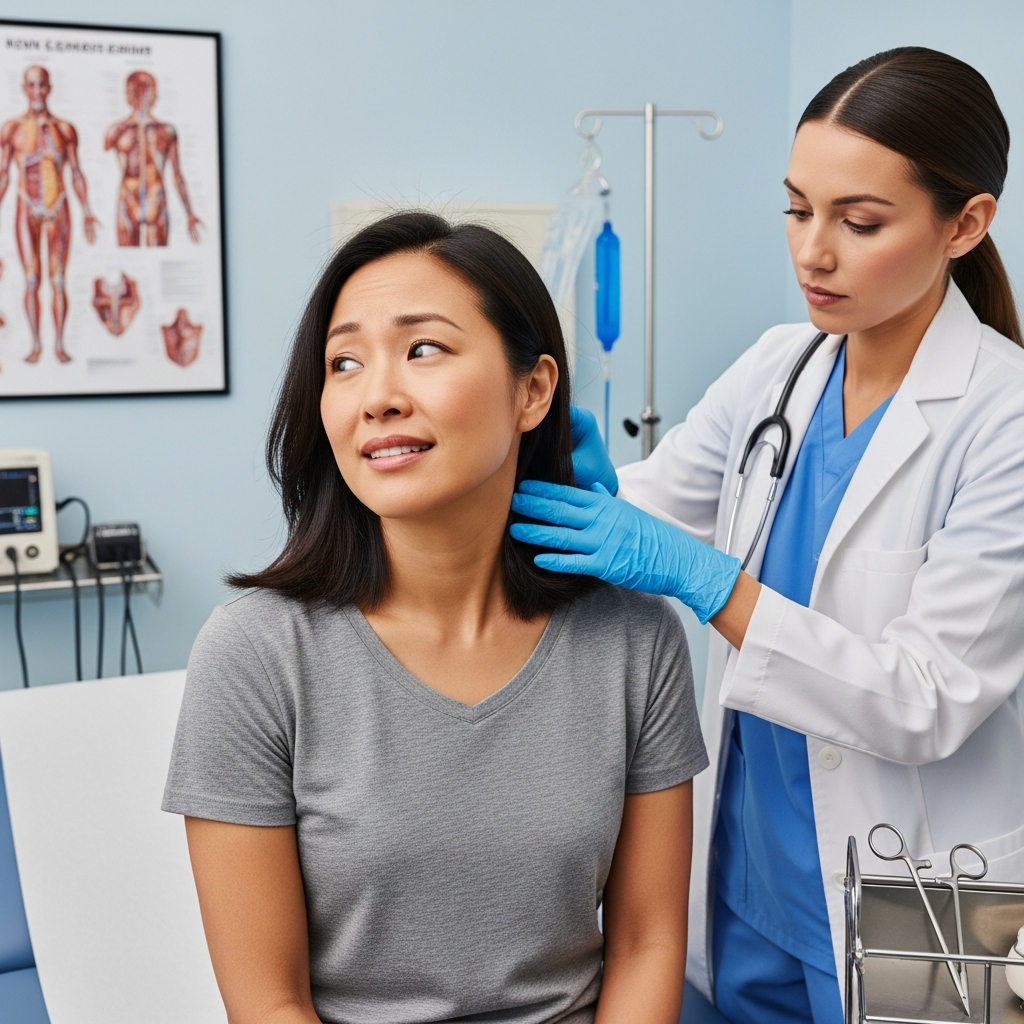
When you visit a wound care clinic, your first step will be a comprehensive evaluation by a wound care doctor. They will assess the type, size, depth, location of the wound, and identify any underlying conditions that may impede the healing process. For example, if you have a diabetic foot ulcer that’s not healing, the doctor will not only examine the ulcer but also your overall health status including diabetes control.
2. Personalized Treatment Plans
The next step involves creating a customized treatment plan. The wound care doctor considers various factors such as your overall health, the cause and severity of your wound, and your lifestyle. This may involve debridement (removal of dead tissue), special dressings, negative pressure wound therapy or hyperbaric oxygen therapy. If you have a pressure ulcer from prolonged bed rest, for instance, they may recommend a pressure redistribution mattress or cushion and show you how to change positions frequently to prevent further damage.
3. Advanced Wound Care Techniques
Wound care clinics utilize advanced technologies to promote healing. For instance, if you have a venous leg ulcer that’s not responding to conventional therapies, the doctor may suggest bio-engineered skin substitutes or growth factor therapies. These advanced methods can stimulate your body’s natural healing process, reduce the chances of infection, and minimize the risk of amputation.
4. Education and Training
Wound care clinics also focus on patient education. They provide training on proper wound care at home, including how to clean and dress the wound, signs of infection to watch for, and when to seek medical help. If you have a diabetic foot ulcer, they’ll instruct you on proper foot care to prevent further wounds. They may also provide dietary advice to promote healing, such as increasing protein intake.
5. Collaborative Care
The wound care clinic works in collaboration with other healthcare providers to manage underlying conditions affecting wound healing. For instance, if your wound is not healing due to poor blood flow, they’ll collaborate with a vascular specialist for appropriate intervention.
6. Follow-up Care
Regular follow-up visits are part of the treatment plan at a wound care clinic. The doctor will monitor the progress of your wound healing and adjust the treatment plan as necessary. They will also evaluate and manage any pain related to the wound.
Visiting a wound care clinic can significantly enhance the healing process for chronic or complex wounds. You’ll benefit from a team of specialists who use advanced treatments and a personalized approach to promote healing and improve your quality of life. Whether you’re dealing with a non-healing surgical wound, a traumatic injury, or a chronic ulcer, a wound care clinic provides comprehensive care to help you on your journey to recovery.
Remember, early intervention is key in wound care. If you have a wound that is not healing as expected, seek help from a wound care clinic promptly. You do not have to live with a chronic wound; help is available to guide you towards effective healing.
The Imperative Role of Wound Care Clinics: Challenges, Solutions, and Expert Tips
The purpose of a wound care clinic is primarily focused on the assessment, treatment, and management of both acute and chronic wounds. These specialized clinics cater to wounds that have not responded to conventional treatment methods, offering a multidisciplinary approach to wound healing. This article aims to shed light on the common challenges faced in wound management, solutions offered by wound care clinics, and expert tips for optimal wound care.
Challenges in Wound Care
One of the major challenges in wound care is the stubborn nature of chronic wounds that resist healing. Chronic wounds can be due to multiple factors including underlying health conditions like diabetes, poor circulation, or pressure ulcers. Age also plays a significant role as elderly patients tend to heal slower due to a lack of skin elasticity and slower cell regeneration. Other challenges include infection control, pain management, and ensuring patient compliance with treatment.
Solutions Offered by Wound Care Clinics
Wound care clinics offer a holistic, patient-focused approach to address these challenges. The multidisciplinary team often includes clinicians, nurses, dieticians, and physical therapists who work together to create a customized care plan for each patient.
The clinics are equipped with advanced wound care technologies that aid in faster healing. Hyperbaric oxygen therapy (HBOT), for instance, is used to increase the amount of oxygen in the patient’s blood, promoting the healing process. Other specialized treatments include debridement (removal of dead tissue), negative pressure wound therapy (NPWT), bioengineered skin substitutes and specialized dressings.
Patient education is another crucial component of a wound care clinic’s services. By educating patients about their wounds, underlying health conditions, and self-care practices, they encourage adherence to treatment plans and preventive measures.
Expert Tips for Optimal Wound Care
1. Understand Your Wounds: The first step towards effective wound care is understanding the type of wound and its underlying cause. Acute wounds resulting from surgery or trauma heal at predictable stages, whereas chronic wounds need more intensive care.
2. Regular Cleaning and Dressing: Keeping the wound clean and properly dressed is crucial to prevent infections. Using sterile equipment, saline solution for cleaning, and appropriate dressing materials can promote healing.
3. Nutrition and Hydration: Good nutrition plays a vital role in wound healing. A diet rich in protein, vitamins A and C, and zinc can accelerate the healing process. Staying hydrated also supports skin health and wound healing.
4. Regular exercise: Physical activity can enhance blood circulation, delivering necessary nutrients and oxygen to the wound site that support healing.
5. Follow Medical Advice: Always adhere to your healthcare provider’s advice regarding wound care and any necessary lifestyle changes. This includes taking prescribed medications, avoiding smoking, limiting alcohol intake, and controlling blood sugar levels in case of diabetes.
Misconceptions & Best Practices related to Wound Care
A common misconception is that letting a wound ‘breathe’ or dry out helps it heal faster. Modern wound science, however, indicates that a moist environment is better for healing as it promotes cell growth and migration.
Additionally, not all wounds require antibiotics. Overuse of antibiotics can lead to antibiotic resistance and disrupt the body’s natural microbiome. A healthcare provider should make the decision based on the wound’s condition and risk of infection.
In terms of best practices, remember that a wound care regimen should be tailored to the individual patient. What works for one patient may not work for another. Regular reassessment of the wound is necessary to evaluate progress and adjust treatment plans as needed.
In conclusion, wound care clinics play a pivotal role in managing complex wounds. They provide comprehensive, specialized care that incorporates advanced treatment modalities, patient education, and a multidisciplinary approach to ensure optimal outcomes. Always seek professional help when dealing with persistent or severe wounds, and remember that early intervention can prevent complications and promote faster healing.
Understanding the Purpose of a Wound Care Clinic
A wound care clinic, also known as a wound healing center, is a specialized healthcare facility dedicated to the treatment of difficult, non-healing wounds. These wounds can result from a variety of health conditions, including diabetes, poor circulation, trauma, vascular disease, and immobility, which can lead to pressure sores.
The primary purpose of a wound care clinic is to provide comprehensive treatment for these complex wounds that have not shown improvement within two weeks or have failed to heal entirely within four weeks. It is important to understand that healing is a process and timelines vary depending on the type and severity of the wound.
Wound Care Clinic Services
A wound care clinic offers an extensive range of services that cater to many different types of wounds. Some common services include: diagnostic assessment of the wound, infection control, debridement (removal of dead or damaged tissue), application of dressings, hyperbaric oxygen therapy, nutritional counseling, patient education for home care management, and pain management.
Your Wound Care Journey: What to Expect
1. Initial Consultation: The healing journey begins with an initial consultation where the wound care doctor will perform a comprehensive examination to identify the type of wound, its severity, and any underlying health conditions that may be affecting the healing process.
2. Customized Treatment Plan: Based on the initial assessment, the wound care team will develop a customized treatment plan tailored to your needs. This may involve any combination of the services mentioned above.
3. Regular Follow-Ups: Wound healing is a gradual process that requires regular monitoring. Your wound care team will schedule follow-up appointments to monitor the wound’s progress and adjust your treatment plan as necessary.
4. Patient Education: A vital aspect of wound care is patient education. This includes teaching you how to manage your wound at home, identifying signs of infection or complications, and understanding the importance of nutrition and lifestyle habits in wound healing.
5. Discharge Planning: Once your wound is adequately healed, the wound care team will provide guidance on preventing future wounds, managing any underlying health conditions, and maintaining your overall health and well-being.
The Role of a Wound Care Doctor
The wound care doctor plays a crucial role in your wound healing journey. They are responsible for assessing your wound, determining the most effective treatment methods, monitoring your progress, and adjusting your treatment plan as necessary.
In addition to their clinical role, the wound care doctor is also your advocate, educator, and support system throughout your healing journey. They are there to answer any questions you may have, provide reassurance, and guide you through the process.
Why Seek Treatment at a Wound Care Clinic?
Wound care clinics are equipped with advanced technologies and therapies that are not typically available in traditional healthcare settings. Their multidisciplinary team of experts specializes in wound healing and works together to provide comprehensive, coordinated care.
Patients who seek treatment at a wound care clinic often experience faster healing times, fewer complications, and improved quality of life. Furthermore, by treating the underlying causes of non-healing wounds, wound care clinics can help prevent long-term health complications such as limb amputation.
In conclusion, a wound care clinic serves an essential purpose in providing specialized care for non-healing wounds. Whether you are dealing with a complex surgical wound, a diabetic foot ulcer, or a pressure sore, a wound care clinic can provide the expert care you need to heal and recover. Your journey towards healing starts with understanding the purpose and benefits of a wound care clinic and ends with a healthier you.
In conclusion, a wound care clinic plays a role of paramount importance in the medical industry. It is a specialized medical facility that focuses on diagnosing and treating all types of wounds, particularly those that are complex and chronic in nature. Wound care clinics are instrumental in accelerating the healing process, managing pain, preventing infections, and ultimately enhancing the quality of life for patients with wounds.
The purpose of a wound care clinic extends beyond just healing. The dedicated team of specialists works collaboratively to not merely treat the physical wound but also to understand the underlying causes. This comprehensive approach ensures that the root issues are addressed, preventing the recurrence of wounds. When dealing with chronic or hard-to-heal wounds, this meticulous approach is crucial.
Wound care clinics stand out for their multidisciplinary approach. Specialists, including physicians, nurses, dietitians, and physiotherapists, work together to deliver personalized care plans tailored to the needs of each patient. They use a variety of advanced techniques and technologies, such as debridement, negative pressure wound therapy, hyperbaric oxygen therapy, and bio-engineered skin grafting.
These clinics are not only for patients with chronic or non-healing wounds but also for individuals with acute wounds or those who are at risk of developing wounds due to various health conditions like diabetes or vascular diseases. By offering preventative care and education, wound care clinics play a pivotal role in mitigating the risks associated with these conditions.
Moreover, wound care clinics contribute significantly to reducing healthcare costs. By providing effective and timely treatment, they decrease the need for hospitalization and surgeries. They also help reduce the duration of hospital stays for wound-related cases.
It’s important to remember that each wound is unique and so is every patient. Therefore, individualized care is key to effective wound management. Wound care clinics excel in providing such personalized care and attention, making them an invaluable resource for patients dealing with wounds.
In light of these insights, it is clear that wound care clinics are more than just a place for treatment. They are centers of excellence, providing comprehensive, high-quality wound care that positively impacts patients’ lives. They embody a holistic and integrative approach to healthcare, offering not just healing but also hope.
If you or a loved one is dealing with a wound, whether acute or chronic, don’t hesitate to seek professional help. Our experienced team at the wound care clinic is ready and equipped to provide you with the best possible care. We understand that dealing with a wound can be distressing, and we’re committed to helping you through your healing journey.
Remember, timely and appropriate care can make all the difference when it comes to wounds. So, reach out to us today. Let us assist you in your journey towards recovery and improved quality of life. Don’t let a wound hold you back from living your life to its fullest potential. Contact us now, because your health and well-being are our top priority!