Unraveling the Specialist World of Wound Care Clinics
Hook:
Imagine having a cut or a wound that simply refuses to heal. It’s not only painful, but it can also lead to serious health complications if not treated properly. This is where wound care clinics come into the picture, providing specialized care and treatment for those suffering from hard-to-heal wounds.
Context:
In our daily lives, minor cuts and scrapes are common occurrences. More often than not, these wounds heal naturally with minimal intervention. However, when a wound resists healing over time, it becomes a chronic condition, requiring more specialized care to prevent further complications. The development of wound care clinics is the healthcare sector’s response to this need.
Wound care clinics are specialized healthcare facilities with a primary focus on the treatment and management of chronic or non-healing wounds. These clinics are staffed by a multidisciplinary team of health professionals, including wound care doctors, nurses, and therapists who have undergone specific training in wound care management. This setting allows for an integrated approach to wound healing that addresses not only the wound itself but also underlying conditions that may hinder the healing process.
In this blog post, we will delve into the world of wound care clinics, shedding light on their importance in health care, the role of wound care doctors, and why these clinics have surfaced as a significant sector within the healthcare industry.
What Will Be Covered:
This comprehensive guide will cover several key aspects of wound care clinics. We will discuss what these clinics are and what services they provide. Additionally, we will look into the role of wound care doctors – who they are, what they do, their training and qualifications, and how they contribute to the healing process.
In shedding light on why these clinics have surfaced, we will also explore the prevalence of chronic wounds, the complications associated with them, and how wound care clinics can help address this growing health concern. We will also touch on the latest advancements in wound care technology and treatments offered in these clinics, illustrating how they are revolutionizing the field of wound management.
Why This Matters To Readers
Understanding the function and importance of wound care clinics is crucial for individuals suffering from chronic or hard-to-heal wounds. It is also valuable information for their caregivers and loved ones, as well as healthcare professionals seeking to expand their knowledge in this specialized field of care.
Chronic wounds can significantly impact a person’s quality of life, leading to physical discomfort, emotional distress, and financial burden. Therefore, knowing that there are facilities dedicated solely to treating these types of wounds can offer a beacon of hope.
Furthermore, as the prevalence of chronic wounds continues to rise due to an aging population and increasing rates of diabetes and obesity, the demand for specialized wound care services is expected to grow. Therefore, understanding the role and importance of wound care clinics has never been more relevant than it is today.
Join us as we take a deep dive into the world of wound care clinics – a significant development in healthcare that seeks to provide relief for millions of people worldwide struggling with chronic wounds.
Wound Care Clinics: An In-depth Understanding
The human body is a complex network of systems all working in harmony to maintain homeostasis. When an injury occurs, the body’s immediate response is to heal itself – a process that can be simple or complex depending on the severity and nature of the wound. When wounds are superficial or minor, they are usually manageable with basic first-aid techniques. However, when wounds are chronic, severe or complicated by underlying conditions such as diabetes or vascular disease, specialized care is required. This is where wound care clinics come into play.
A wound care clinic, also referred to as a wound healing center, is a medical facility dedicated to the treatment and management of non-healing and complex wounds. These clinics offer a multidisciplinary approach, combining the expertise of various health care professionals including physicians, nurses, dietitians, and physical therapists who have undergone specialized training in wound management.
Wound care clinics surfaced as a response to an increasing need for focused and specialized wound care. The prevalence of chronic diseases like diabetes, obesity, and peripheral arterial disease–all of which can lead to chronic wounds–has been on the rise. Aging population is another factor contributing to this increasing need. As people age, their body’s ability to heal slows down, making them more susceptible to chronic wounds.
Moreover, advances in medical science and technology have led to a better understanding of wound healing processes and the factors that can impede them. We now understand that wound healing is not just about patching up an injury but involves a complex interplay of cellular and biochemical processes. It requires adequate blood supply, infection control, balanced nutrition, and appropriate moisture balance. Any disruption in these requirements can lead to delayed or non-healing wounds.
The rise of wound care clinics is also attributed to the realization that traditional methods of wound care are often insufficient for complex wounds. Before their advent, patients with non-healing wounds had limited options and often faced prolonged hospital stays, repeated doctor’s visits, and in some cases, amputations. The specialized and comprehensive care offered by wound care clinics has transformed this scenario, providing patients with a dedicated and focused approach to wound management.
The goal of a wound care clinic is not only to heal wounds but also to address the root cause of the wound, prevent recurrence, and improve the patient’s overall quality of life. To achieve these goals, wound care clinics employ a range of advanced treatments and therapies. These may include debridement (removal of dead or infected tissue), specialized dressings, compression therapy, hyperbaric oxygen therapy, negative pressure wound therapy, bioengineered skin substitutes, and more. Each treatment plan is tailored to the individual patient’s needs and underlying health conditions.
Education is another key aspect of wound care clinics. Patients and their caregivers are educated about proper wound care techniques, signs of infection, and lifestyle modifications necessary for successful wound healing. This holistic approach to wound care not only helps in faster healing but also empowers patients to manage their condition effectively.
In conclusion, wound care clinics have surfaced as a result of an increasing need for specialized, focused, and comprehensive wound care. They are a testament to the advancements in our understanding of the complex process of wound healing. As the prevalence of chronic diseases continues to rise, these clinics are expected to play an increasingly vital role in healthcare. They represent a beacon of hope for patients with non-healing wounds, offering them a chance at faster healing, reduced hospital stays, prevention of complications, and an improved quality of life.
Unveiling the Wound Care Clinic: A Revolutionary Approach to Advanced Wound Care
Wound care is an essential aspect of healthcare that focuses on the treatment of injuries to promote healing and prevent infection. Over the past years, there has been a significant rise in specialized wound care clinics. But what exactly is a wound care clinic, and why have they surfaced? Let’s dive into the specifics.
A wound care clinic, also referred to as a wound healing center, is a specialized medical facility dedicated to the treatment and management of chronic, non-healing, and complex wounds. These clinics employ a multidisciplinary approach to wound care, involving different medical professionals like wound care doctors, nurses, and therapists. The team collaboratively works to diagnose, evaluate, and create personalized treatment plans for patients.
The surfacing of wound care clinics can be attributed to several key factors
1. **Increase in Chronic Wounds:** With increasing incidences of diabetes, obesity, and vascular diseases, the prevalence of chronic wounds has risen. These wounds require expert care for healing as they don’t follow the typical healing stages.
2. **Aging Population:** As people age, their skin becomes more fragile and less elastic, making them more prone to wounds that take longer to heal.
3. **Advanced Treatment Modalities:** Traditional wound care methods are not always effective in managing complex wounds. Wound care clinics offer advanced treatments like hyperbaric oxygen therapy, negative pressure wound therapy, and bioengineered skin substitutes.
4. **Cost-Effectiveness:** Treating chronic wounds in a specialized clinic can be more cost-effective than prolonged hospital stays. It also reduces the risk of complications and readmissions.
Now, let’s walk through a typical scenario at a wound care clinic to give you a clearer picture
**Scenario:**
Meet John, a 65-year-old diabetic patient with a non-healing foot ulcer that has persisted for three months. His primary care doctor refers him to a wound care clinic due to the wound’s complexity and John’s underlying health conditions.
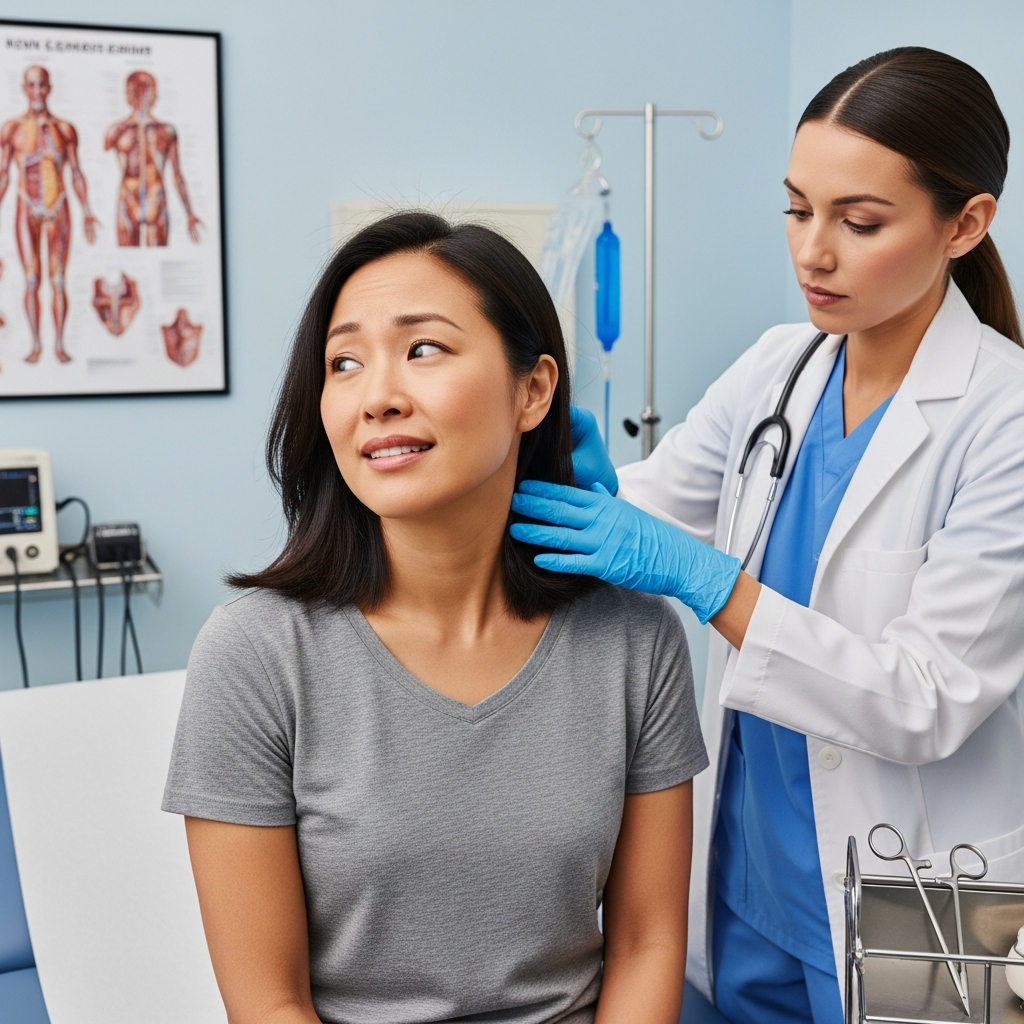
At the clinic, a wound care doctor first evaluates John’s wound and overall health status. The doctor performs tests to understand the blood flow to the area, infection presence, and any underlying conditions affecting the healing process.
Based on the evaluation, the wound care doctor proposes a personalized treatment plan. This plan includes debridement (removal of dead tissue), applying a specialized dressing, controlling John’s blood sugar levels, and recommending off-loading techniques (to relieve pressure on the wound). In addition, John is scheduled for regular follow-ups to track the wound’s progress.
John is also educated about the importance of proper nutrition for wound healing and is advised on home care procedures to prevent further complications. Over time, John’s ulcer starts showing signs of healing, demonstrating the effectiveness of specialized wound care.
**Actionable Advice:**
1. **Early Intervention:** If you have a wound that is not healing within two weeks or shows signs of infection (like redness, swelling, or foul odor), it’s crucial to seek medical attention immediately. Early intervention can prevent complications and accelerate the healing process.
2. **Follow the Wound Care Plan:** Adherence to the treatment plan provided by the wound care specialist is vital for successful healing. This includes taking prescribed medications, attending follow-up visits, and performing recommended home care procedures.
3. **Maintain a Healthy Lifestyle:** Good nutrition, regular exercise, and adequate rest can significantly improve your body’s ability to heal wounds. Smoking and alcohol can delay wound healing and should be avoided.
4. **Education:** Understanding your wound, its cause, treatment options, and prevention strategies can empower you to actively participate in your care process.
In conclusion, wound care clinics have surfaced as a crucial part of healthcare due to their specialized focus on managing complex wounds. Their multidisciplinary approach, coupled with advanced treatment modalities, offers comprehensive and effective wound management. It’s essential to recognize the signs of a non-healing wound and seek professional help timely to ensure the best outcomes.
Wound Care Clinics: A Comprehensive Overview and Guide
The human body is an intricate web of interdependent systems with a remarkable capacity for self-recovery. However, when it comes to wound healing, certain conditions may impede the process, leading to chronic, non-healing wounds. This is where the specialized services of a wound care clinic become indispensable.
A wound care clinic is a healthcare facility singularly focused on the treatment and management of non-healing or complex wounds. These clinics have burgeoned in recent years due to the increasing prevalence of conditions like diabetes, obesity, and vascular diseases that can often lead to persistent wounds.
One common misconception about wound care clinics is that they are a last resort for patients with severe, life-threatening conditions only. In reality, these clinics are also beneficial for individuals dealing with minor yet stubborn wounds that hinder their quality of life.
Expert wound care doctors or woundologists helm these clinics, utilizing advanced techniques and treatments to expedite healing. Their expertise extends to various kinds of wounds, including surgical wounds, pressure ulcers, burns, venous ulcers, and diabetic foot ulcers.
Challenges in Wound Care
One of the major challenges in wound care is managing the various factors that can obstruct the healing process. These include infection, age, poor nutrition, certain medications, and underlying conditions like diabetes or circulatory problems.
Another challenge is the patient’s adherence to treatment plans and their ability to manage wound care at home. Effective wound care requires consistent cleaning and dressing changes, and neglecting these steps can significantly delay healing.
Finally, there’s the challenge of pain management. Many patients endure significant discomfort due to their wounds, which can affect their overall wellbeing and ability to follow through with treatment.
Solutions in Wound Care Clinics
Wound care clinics are equipped to address these challenges head-on. They provide comprehensive wound assessments, including detailed evaluations of the patient’s overall health and wound history. This allows for personalized treatment plans catering to each patient’s unique needs.
Infection control is a primary focus in these clinics. This involves regular wound cleaning, the use of topical antibiotics, and, in more severe cases, debridement, where dead or infected tissue is removed to promote healing.
Nutritional support also plays a crucial role in wound care clinics, as proper nutrition is vital for wound healing. Experts may provide dietary guidelines or recommend supplements to aid the healing process.
To address the challenge of patient adherence, wound care clinics emphasize patient education. They guide patients through the correct techniques for wound cleaning and dressing changes and provide tips for preventing further injuries.
Expert Tips for Wound Care
Here are some expert tips to enhance the effectiveness of wound care
1. Keep the Wound Clean: Always clean a new wound gently with mild soap and water to remove any debris and bacteria.
2. Use the Right Dressing: Use dressings that maintain a moist environment as they can promote faster healing. However, the dressing should be changed regularly to prevent infections.
3. Monitor for Infection: Watch out for signs of infection, such as increased pain, redness, swelling, or pus.
4. Maintain a Healthy Diet: A balanced diet rich in protein, vitamins A and C, and zinc can help speed up the healing process.
5. Follow Through with Appointments: Regular check-ups at a wound care clinic ensure your wound is healing correctly and allows for adjustments in treatment if necessary.
In conclusion, wound care clinics provide a specialized approach to wound management that caters to the unique needs of each patient. By addressing challenges like infection control, patient adherence, and pain management, they play a crucial role in facilitating effective wound healing.
Wound Care Clinics: An Overview and Guide
Wound care clinics, also known as wound healing centers or wound management clinics, are specialized healthcare facilities that focus exclusively on the treatment and management of non-healing and complex wounds. These wounds may result from conditions such as diabetes, venous insufficiency, pressure sores, trauma, burns, infections, or radiation injuries.
Wound care clinics have surfaced in response to the increasing prevalence of chronic wounds, which are now recognized as a significant health issue. The prevalence of diabetes, obesity, and the aging population has led to a rise in wounds that require more than traditional primary care. As such, wound care clinics are designed to provide comprehensive treatment using advanced therapies and procedures that promote healing and mitigate complications.
When you first visit a wound care clinic, you can expect an in-depth evaluation of your wound by a team of specialists. This team may include vascular surgeons, plastic surgeons, podiatrists, infectious disease specialists, and certified wound ostomy nurses. They will assess the wound’s size, depth, location, and level of infection. Other factors such as nutrition, mobility, existing medical conditions, medications, and lifestyle will also be evaluated as they can impact the healing process.
The wound care team will then establish a personalized treatment plan tailored to your specific needs. This plan may include wound debridement (removal of dead tissue), application of specialized dressings or topical agents, compression therapy, hyperbaric oxygen therapy, or negative pressure wound therapy. Nutritional counseling and pain management strategies may also be provided.
The timeline for wound healing varies greatly depending on the type of wound and the individual’s overall health. Some wounds may start to show signs of improvement in just a few weeks with appropriate care, while others may take several months or longer. Regular follow-up appointments will be scheduled to monitor the progress of the wound and adjust the treatment plan as necessary.
The role of the patient in wound care is crucial. The wound care team will provide education on how to care for the wound at home, including how to change dressings, recognize signs of infection, and manage pain. They will also provide guidance on lifestyle modifications such as dietary changes or exercise routines that can support healing.
Your journey with a wound care clinic doesn’t end once the wound has healed. Due to the complex nature of chronic wounds, there is often a high risk of recurrence. Therefore, the wound care team will provide advice on preventing future wounds and managing underlying conditions. They may also refer you to other specialists such as dietitians, podiatrists, or physiotherapists who can assist in maintaining your overall health.
In summary, wound care clinics offer specialized care for complex and non-healing wounds. They provide a collaborative and multidisciplinary approach to wound management, with the goal of promoting healing, preventing complications, and improving the patient’s quality of life. Whether you are currently dealing with a persistent wound or are at risk due to other health conditions, seeking help from a wound care clinic could be an essential step toward recovery and prevention.
In conclusion, wound care clinics have surfaced due to the increasing need for specialized treatment of various types of wounds. These include, but are not limited to, chronic wounds such as pressure ulcers, venous and arterial ulcers, diabetic foot ulcers, traumatic wounds, and surgical wounds that require special attention. As our understanding of wound healing has grown, so has the realization that certain wounds necessitate a comprehensive, multidisciplinary approach to ensure optimal healing. This is precisely what wound care clinics offer.
One of the key takeaways from this article is that wound care clinics are not just a place for treatment but also a hub for comprehensive wound management. They provide specialized assessment, diagnosis, treatment, and education regarding wound care. Importantly, these clinics are staffed by a team of highly trained professionals including physicians, nurses, and other healthcare providers who have specialized training and experience in wound care. The multidisciplinary team approach ensures that all aspects of the patient’s wound care needs are addressed, thereby improving healing outcomes.
Secondly, wound care clinics utilize advanced technologies and therapies that may not be available in a traditional healthcare setting. Some of these include hyperbaric oxygen therapy, negative pressure wound therapy, bioengineered skin substitutes, and others. These state-of-the-art modalities can help promote wound healing in cases where standard treatment methods have proven ineffective.
Thirdly, wound care clinics play a vital role in patient education. They empower patients with the knowledge and skills needed to participate actively in their own healing process. From understanding the basics of wound healing to learning how to identify signs of complications and how to properly care for their wounds at home, patients receive comprehensive education tailored to their unique needs.
Another takeaway is that wound care clinics can help reduce healthcare costs. By providing specialized care for complex wounds that speeds up healing and reduces the risk of complications such as infection and hospital readmission, these clinics can potentially save patients and healthcare systems a significant amount of money.
Lastly, it is essential to understand that not all wounds are created equal and that each patient’s wound care needs are unique. Wound care clinics understand this principle and strive to provide personalized care plans that address the specific characteristics of the wound and the overall health status of the patient.
In light of these insights, it becomes clear why wound care clinics have become an integral part of our healthcare landscape. Their targeted, comprehensive approach to wound management is not only beneficial for patients but also for healthcare providers and the broader healthcare system.
If you or a loved one are dealing with a wound that is not healing as expected, or is causing distress, it may be time to consider seeking help from a wound care clinic. Our clinic offers a team of highly skilled professionals who are ready to provide the specialized care you need. We encourage you to reach out to us today. We are here to work with you, offering our expertise and support to help guide you through your healing journey. Let us help you regain your health and quality of life. Contact us today for assistance.